Give your OpenClaw agent its own real-SIM verification number
Keep your personal number and accounts out of your AI automation. Rent a dedicated US non-VoIP number that receives OTPs in a shared inbox + webhooks. Flat $50/month.
- Dedicated real-SIM / non-VoIP US number (higher acceptance than VoIP)
- High-volume inbound verification SMS (fair-use)
- Route codes to Dashboard + Webhooks + Slack/Discord/Telegram/Teams/Email
- Keep the same number long-term (for re-verification months later)
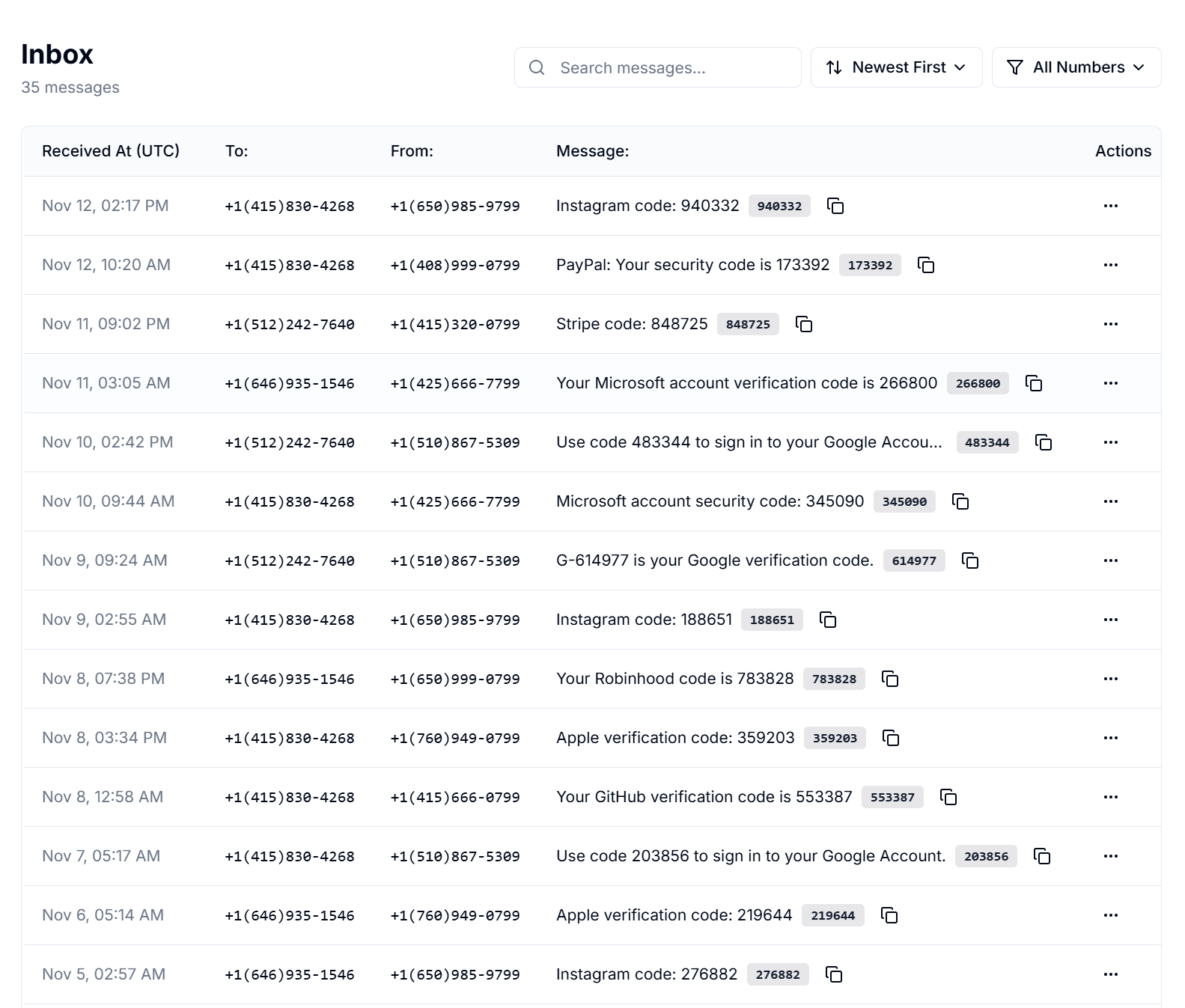
Why an AI agent needs a separate number
OpenClaw (formerly Moltbot) can touch a lot of systems: email, developer tools, cloud consoles, vendor dashboards—anything with a login. If you use your phone number for those accounts, you're mixing your personal identity with your agent's identity.
- •Your personal number becomes a shared credential
- •You can't cleanly separate "your stuff" from "agent stuff"
- •Recovery, audits, and team handoffs get messy fast
- •Prompt injection or a compromised account can cascade through shared credentials
A dedicated number helps contain risk: keep your personal number out of the agent's workflows, create OpenClaw-only accounts with a separate recovery path, and share access with a team without exposing anyone's real phone.
A real-SIM verification number your OpenClaw agent can rely on
JoltSMS rents long-term, real-SIM, non-VoIP US phone numbers built for OTP and 2FA. Not a throwaway line—a number you can keep as long as you need it.
- Real-SIM / non-VoIP number rental
- Inbound-only SMS for OTP/2FA and account maintenance messages
- Shared visibility: view codes in dashboard, route to Slack/Discord/Telegram/Teams/email or your own webhook
- One plan: $50/month—keep the number as long as you need it
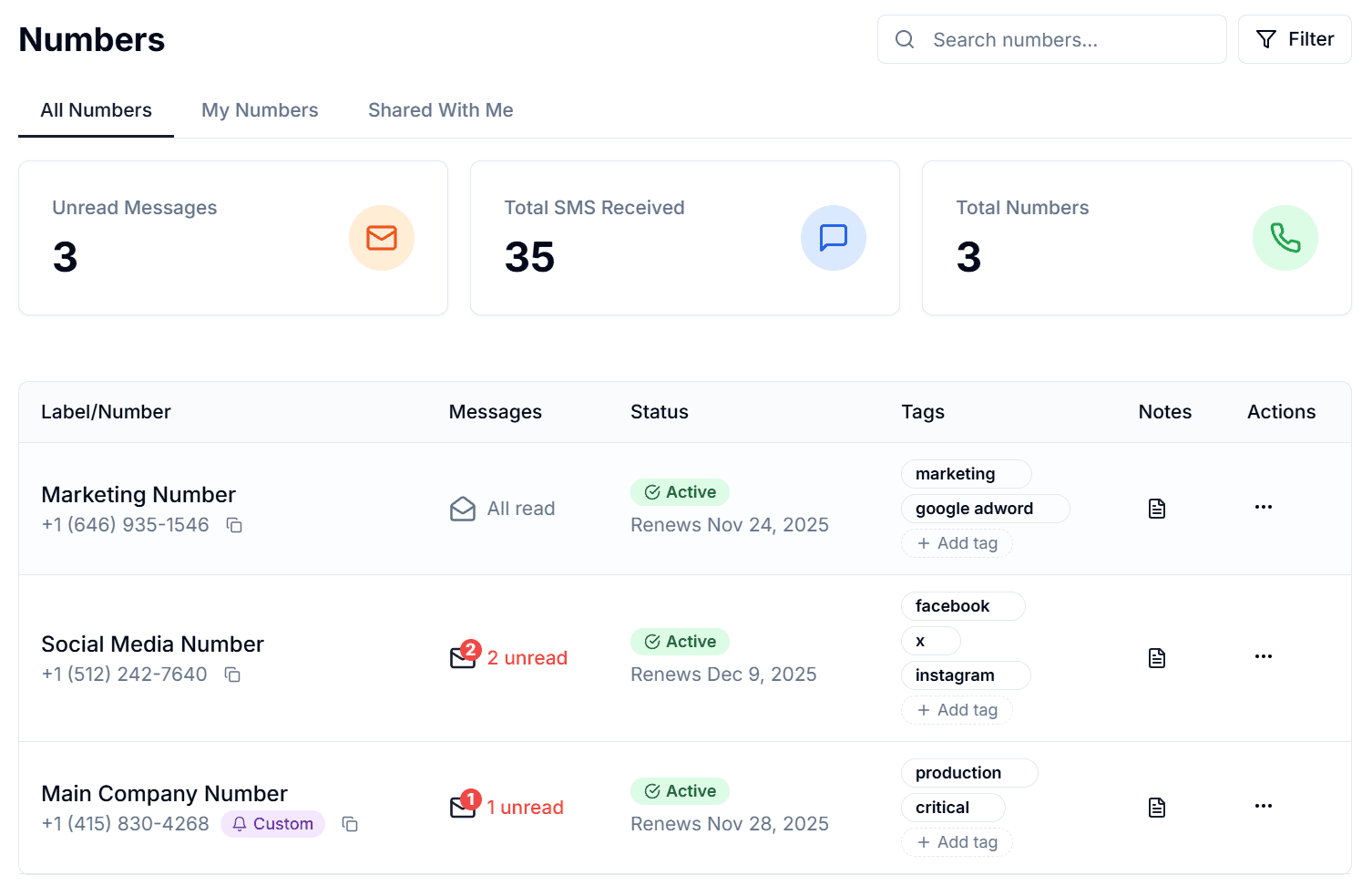
How teams use it with OpenClaw
Create an OpenClaw-only identity
Dedicated Google account, dedicated GitHub account, dedicated cloud accounts and vendor dashboards. Everything uses the agent's phone number for OTP—not yours.
Avoid tying shared access to one employee
Don't make "the person with the phone" your single point of failure. Don't pass OTP screenshots around. Don't risk losing access when someone leaves.
Send OTPs to automation, not humans
Deliver incoming OTPs to a private webhook endpoint. Let automation parse codes and continue workflows. Keep humans in the loop only when you choose.
Works with any workflow
Rent your JoltSMS number
Get a dedicated US real-SIM number
Use it wherever verification is required
When your agent creates or logs into an account, enter the JoltSMS number for OTP/2FA
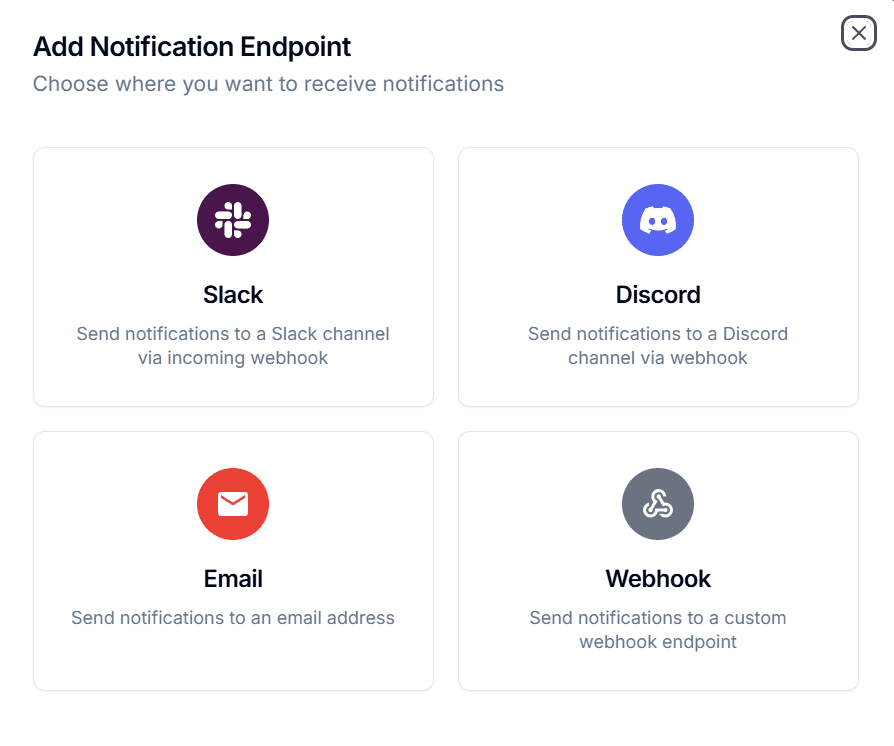
Choose how you receive codes
Dashboard inbox for fast manual verification, Slack/Discord/Telegram/Teams/email for instant notifications, or webhook delivery to pipe OTPs into your automation
Let OpenClaw read OTPs automatically (optional)
Create a small OpenClaw skill that reads your webhook, extracts OTPs, and passes them into the next step
Route codes wherever your team needs them
JoltSMS gives you multiple ways to receive verification codes—pick what works for your workflow.
- Dashboard inbox for quick manual lookups
- Slack/Discord/Telegram/Teams notifications for instant team alerts
- Email forwarding for async workflows
- Webhook delivery for full automation
Let your AI agents handle verification end-to-end
Give OpenClaw full control over the verification loop. The MCP Server lets your agent provision a number, wait for OTP, and extract codes — zero human intervention. Or use the REST API to build custom automation pipelines.
MCP Server
Native integration for AI agents. Cloud-hosted MCP clients can use the hosted HTTP endpoint, while local clients can run the stdio package. Provision numbers, poll for SMS, and extract OTP codes — no glue code needed.
claude mcp add --transport http joltsms https://mcp.joltsms.com/mcp \
  --header "Authorization: Bearer jolt_sk_..."
{
  "joltsms": {
    "command": "npx",
    "args": ["-y", "@joltsms/mcp-server"],
    "env": {
      "JOLTSMS_API_KEY": "jolt_sk_..."
    }
  }
}
Claude.ai web Custom Connectors use the OAuth connector flow. Header-based MCP clients can use the API-key command above.
Key tools
joltsms_provision_numberRent a new dedicated numberjoltsms_wait_for_smsPoll until an SMS arrivesjoltsms_get_latest_otpExtract the most recent OTP codejoltsms_list_messagesFetch recent inbound messagesjoltsms_billing_statusCheck subscription health
REST API
Full programmatic control over your numbers, messages, and billing. Authenticate with an API key and integrate from any language or framework.
curl https://api.joltsms.com/v1/messages \
  -H "Authorization: Bearer jolt_sk_..."
{
  "data": [{
    "from": "+1234567890",
    "body": "Your code is 847291",
    "receivedAt": "2025-01-15T10:30:00Z"
  }]
}
Key endpoints
- GET
/v1/numbers - GET
/v1/messages - POST
/v1/billing/subscribe - POST
/v1/notifications/rules - GET
/v1/billing/subscriptions
Important notes
Not affiliated with OpenClaw. This page describes a common setup pattern: giving your AI agent a dedicated verification number.
Best practices:
- Use responsibly—JoltSMS is for legitimate access to accounts you own or are authorized to manage
- Follow each platform's Terms of Service
- No acceptance guarantees—platforms change verification policies and may reject numbers for many reasons
- Inbound only—JoltSMS is designed to receive verification and account-maintenance SMS (no outbound texting)
OpenClaw verification FAQ
No. WhatsApp is optional. A dedicated number is mainly useful for receiving OTP/2FA verification codes when your agent creates or accesses accounts.
Give your OpenClaw agent a dedicated real-SIM verification number
Stop mixing your personal number with AI automation. Receive OTP/2FA codes in a shared inbox, notifications, or webhooks. $50/month.